
See the World Through Our Lens
Embark on a journey to breathtaking places, where every moment is filled with adventure and discovery.


Top Services

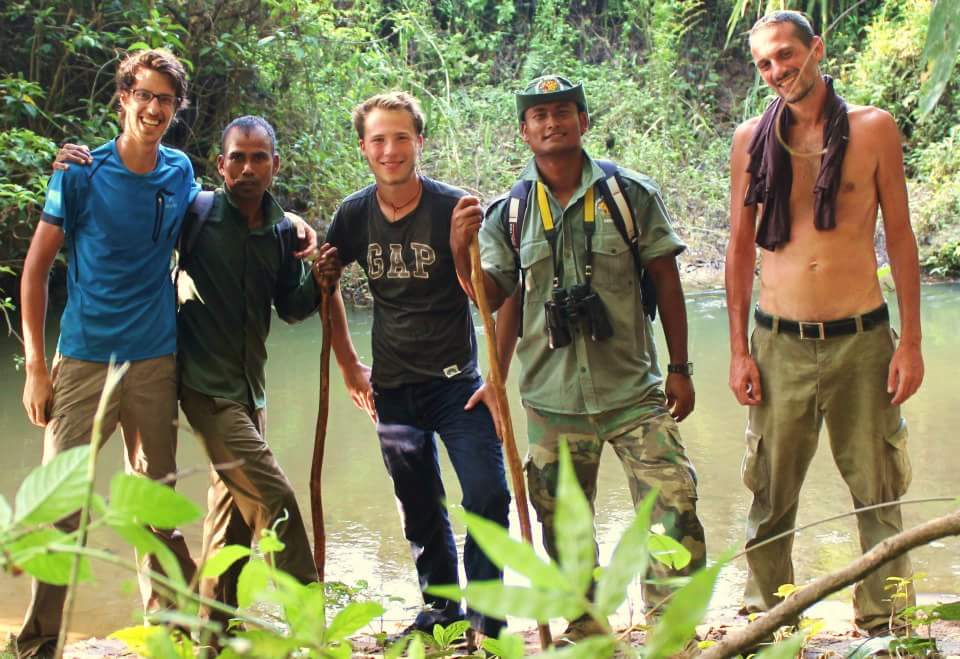
Jungle Walk

Bird Watching

Canoeing Trip

Jeep safari (Jungle Drive)
JUNGLE WALK
CANOEING
JEEP SAFARI
ELEPHANT RIDE
BIRD WATCHING
TOWER NIGHT STAY IN THE JUNGLE
20,000 LAKE TOUR
ELEPHANT BATH
ELEPHANT BREEDING CENTER
CYCLING TOUR
THARU VILLAGE TOUR
THARU CULTURAL DANCE
OX-CART TOUR
HOME STAY
TREKKING
HILL TREK
TREK TO CHEPANG HILL
TREK TO SOMESWOR HILL
VISIT TO DEWGHAT (HOLY PLACE)


1000+
Happy Travelers

550+
Destinations Explored

30+
Years of Experience

45+
Professional Team
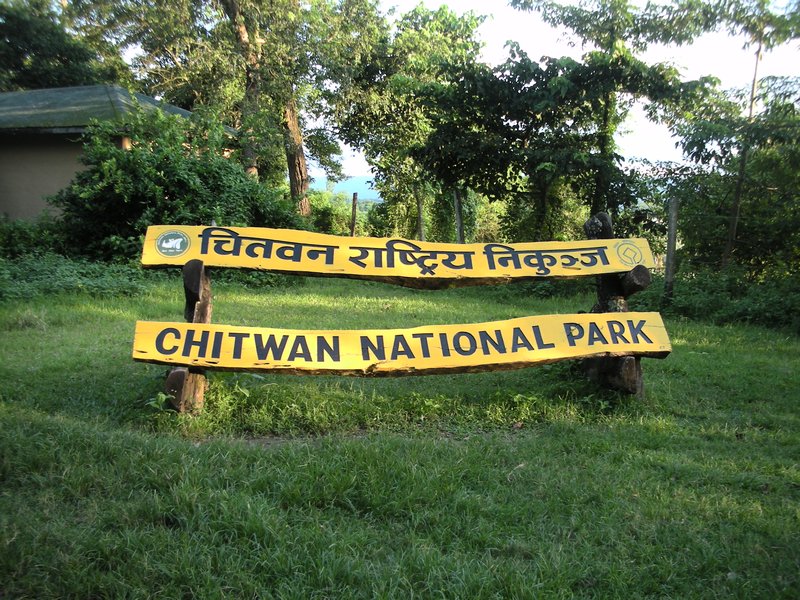
At the foot of the Himalayas, Chitwan is one of the few remaining undisturbed vestiges of the ‘Terai’ region, which formerly extended over the foothills of India and Nepal. It has a particularly rich flora and fauna. One of the last populations of single-horned Asiatic rhinoceros lives in the park, which is also one of the last refuges of the Bengal tiger. Nestled at the foot of the Himalayas, Chitwan has a particularly rich flora and fauna and is home to one of the last populations of single-horned Asiatic rhinoceros and is also one of the last refuges of the Bengal Tiger. Chitwan National Park (CNP), established in 1973, was Nepal’s first National Park. Located in the Southern Central Terai of Nepal, it formerly extended over the foothills, the property covers an area of 93,200 hectares (932 sq km), extends over four districts: Chitwan, Nawalparasi, Parsa and Makwanpur.
The park is the last surviving example of the natural ecosystems of the ‘Terai’ region and covers subtropical lowland, wedged between two east-west river valleys at the base of the Siwalik range of the outer Himalayas. The core area lies between the Narayani (Gandak) and Rapti rivers to the north and the Reu River and Nepal-India international border in the south, over the Sumeswar and Churia hills, and from the Dawney hills west of the Narayani, and borders with Parsa Wildlife Reserve to the east. In 1996, an area of 75,000 hectares consisting of forests and private lands and surrounding the park was declared as a buffer zone. In 2003, Beeshazar and associated lakes within the buffer zone were designated as a wetland of international importance under the Ramsar Convention. The spectacular landscape, covered with lush vegetation and the Himalayas as the backdrop makes the park an area of exceptional natural beauty. The forested hills and changing river landscapes serve to make Chitwan one of the most stunning and attractive parts of Nepal’s lowlands. Situated in a river valley basin and characterized by steep cliffs on the south-facing slopes and a mosaic of riverine forest and grasslands along the river banks of the natural landscape makes the property amongst the most visited tourist destination of its kind in the region. The property includes the Narayani (Gandaki) river, the third-largest river in Nepal which originates in the high Himalayas and drains into the Bay of Bengal providing dramatic river views and scenery as well as the river terraces composed of layers of boulders and gravels.
- Valid entry permits are must to visit inside park and at bufferzone forests.
- An entry permits of RS.1695 (foreigners), Rs.850 (SAARC) and RS.115 (Nepali) must be paid to National Park to visit Inside.
- An entry permits of RS.1695 (foreigners), Rs.850 (SAARC) and RS.115 (Nepali) must be paid to National Park to visit Inside.
- You have to pay additional fee for elephant ride,canoeing,jeep drive,jungle walk,e.t.c.
- The entry permit is non-refundable,non-transferable and is for single entry only.
- Don’t remove or damage plants and animals. Don’t buy animal or plant products,it is illegal. All flora and fauna are fully protected and must not be disturbed.
- Rubbish must be placed out,buried or disposed off in designated areas.
- No one should walk within the park between sunset and sunrise.
- Do respect cultural and religious sites.
- A guide is a must for a jungle walk.
Popular Packages
Discover our most loved options, designed to suit different needs and preferences. From flexible choices to premium experiences, each package is crafted to offer convenience and value.
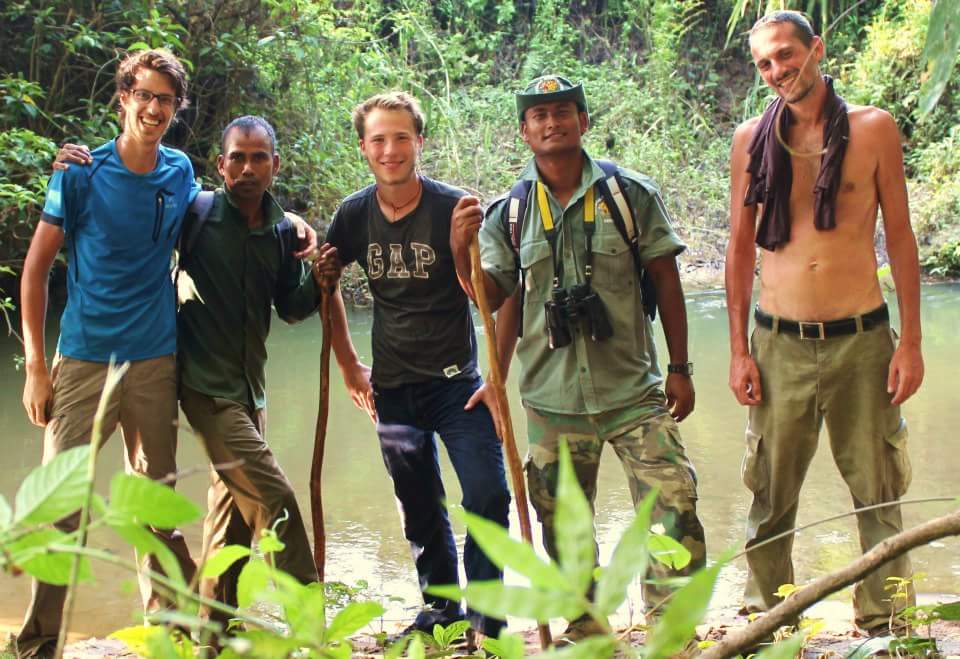
Jungle Walk

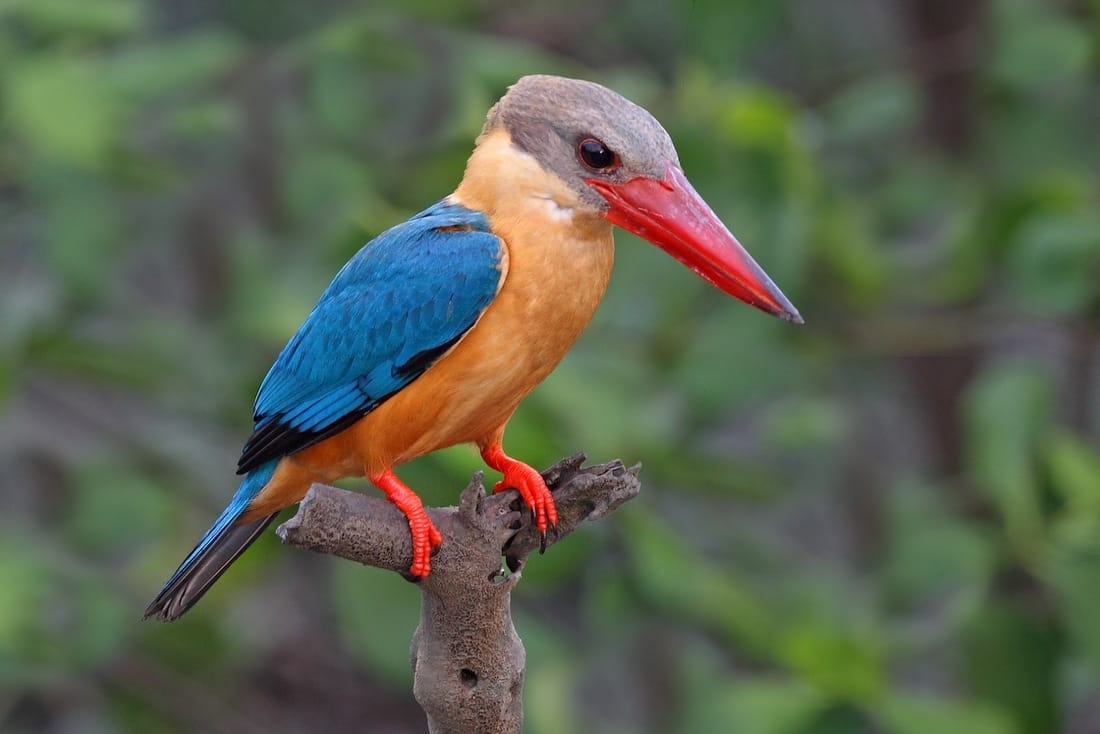
Bird Watching
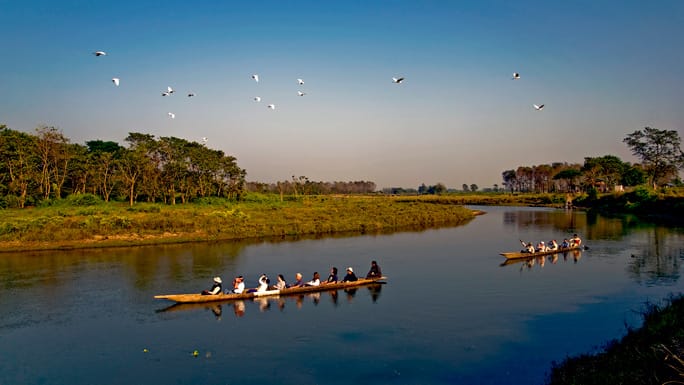
Canoeing Trip
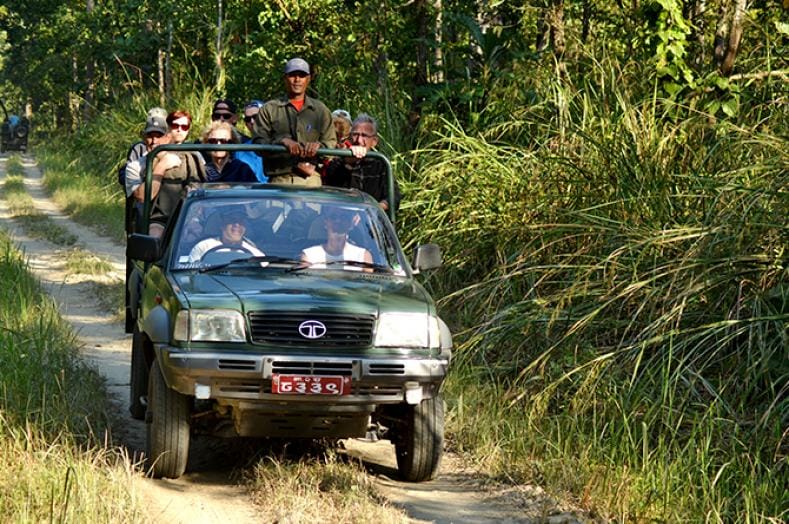
Jeep safari (Jungle Drive)
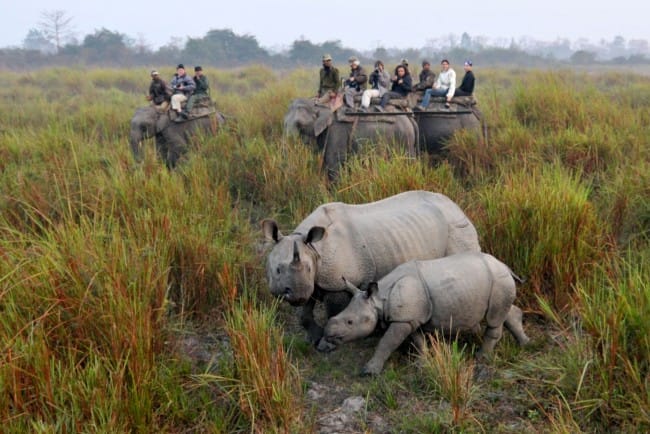
Elephant Safari
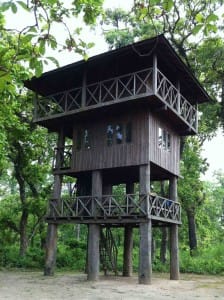
Tower Night Stay in the jungle
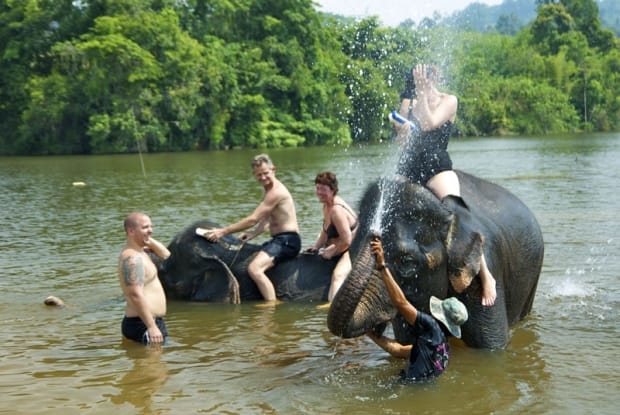
Elephant Bath
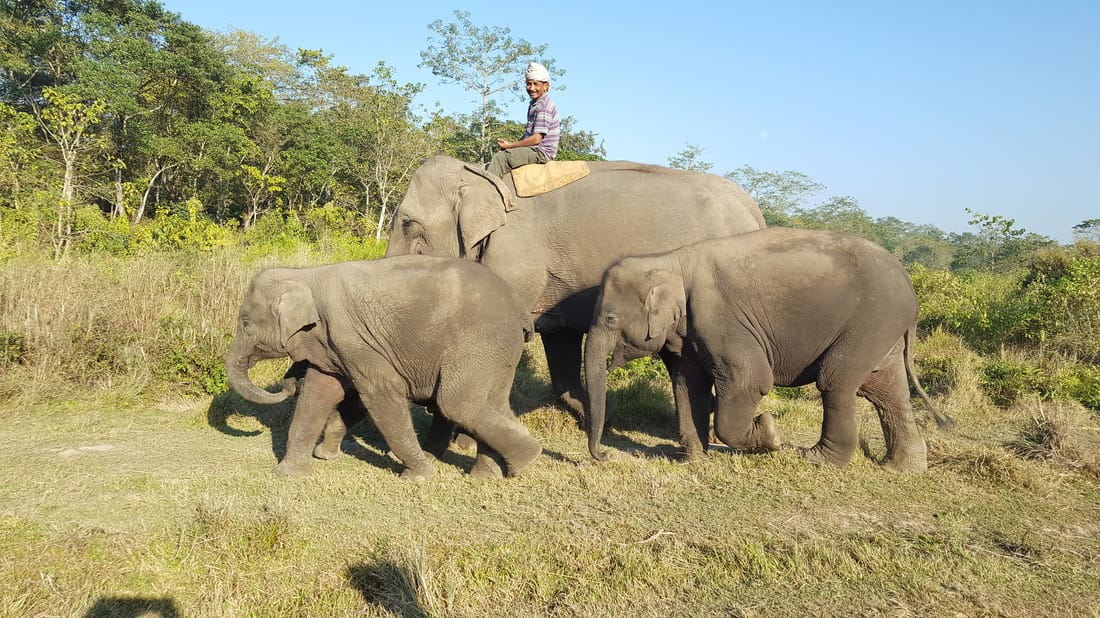
Elephant Breeding Center
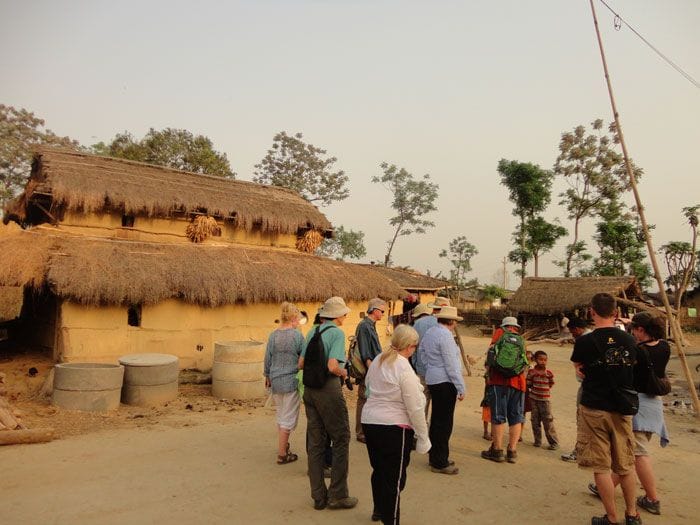
Tharu village Tour
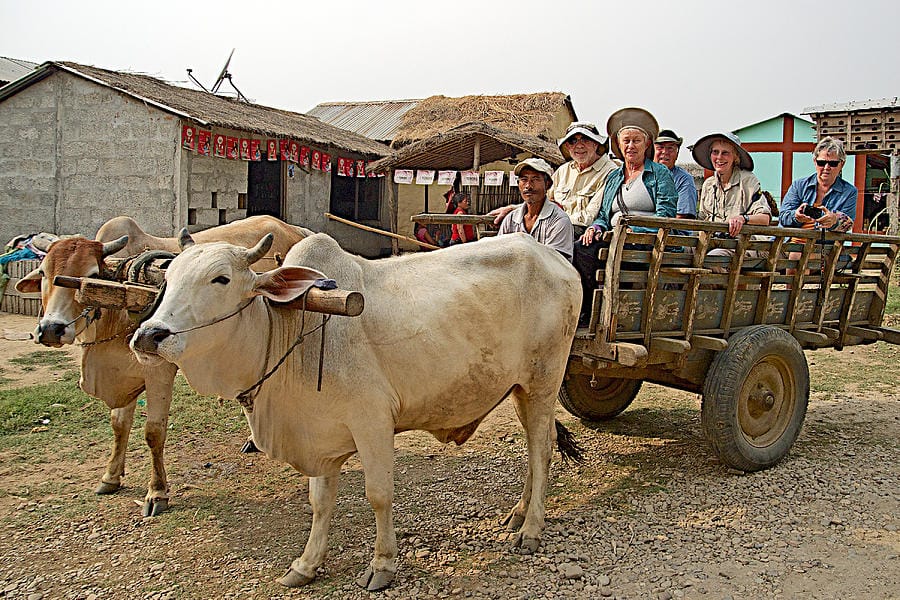
Ox-Cart Tour
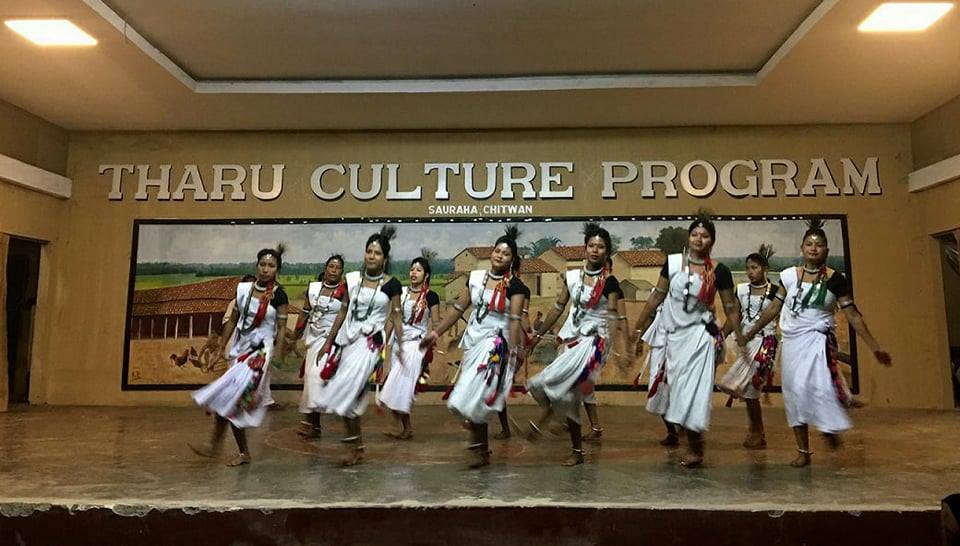
Tharu Cultural Dance
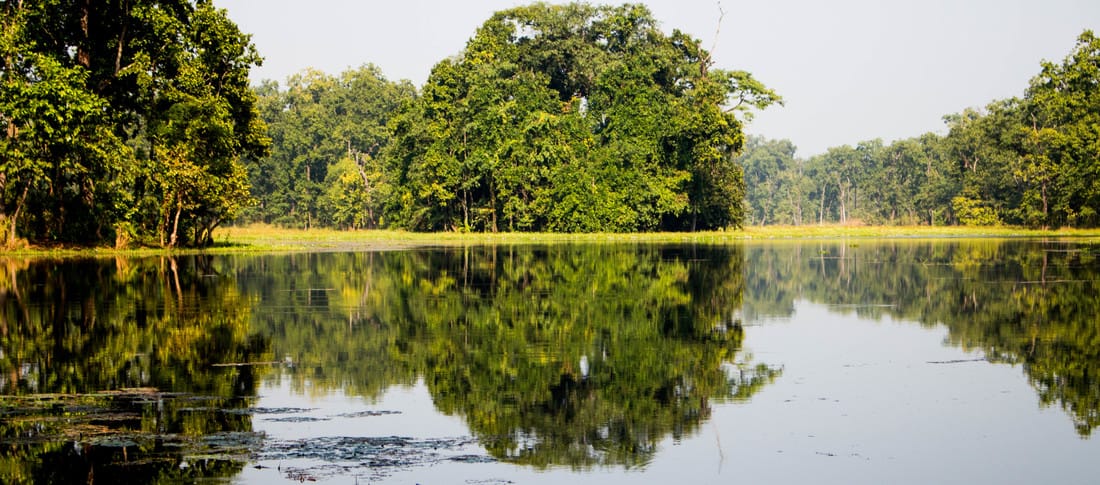
20,000 Lake Tour
MEET THE TEAM
THE GUIDES
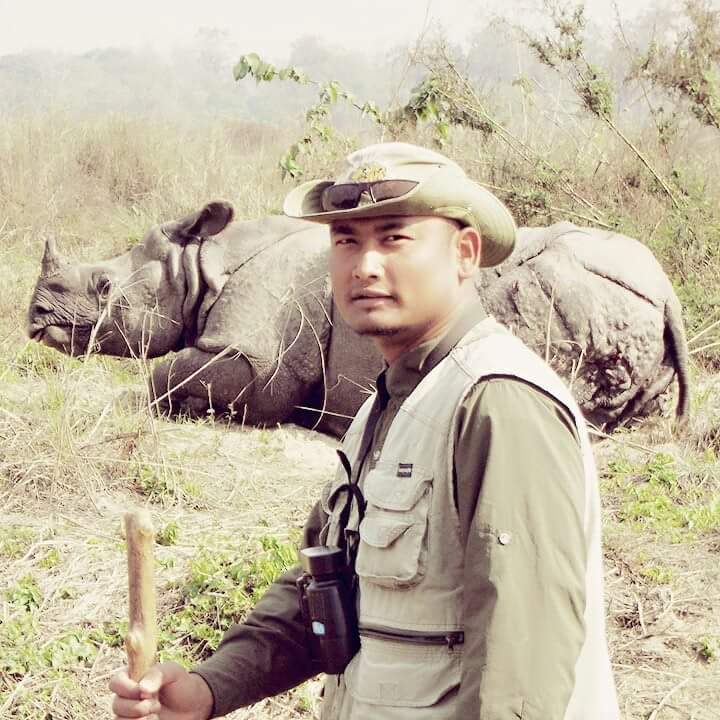
Head Guide and birder: Ravi Chaudhary
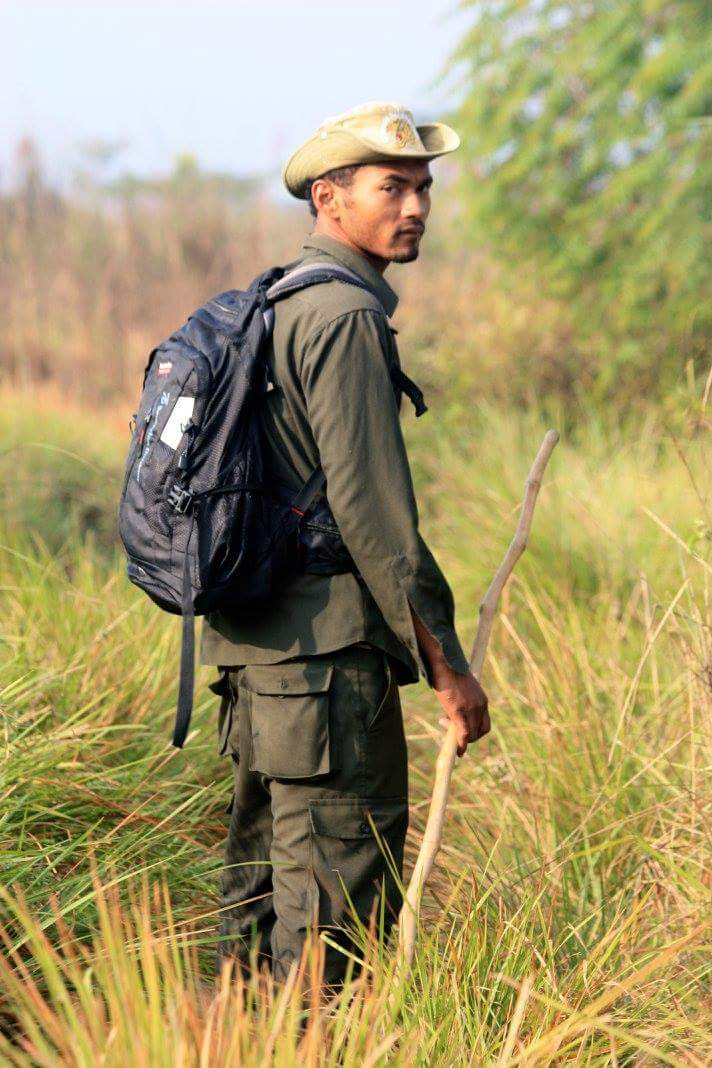
Head Guide: Shankar Thanet
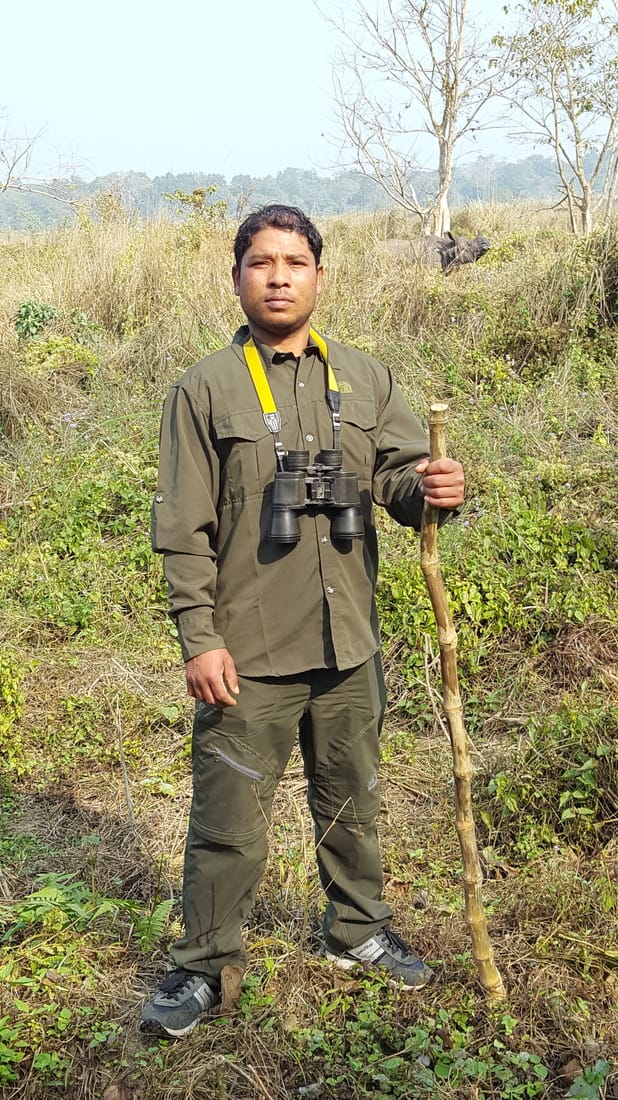
Head Guide: Gyanendra Chaudhary
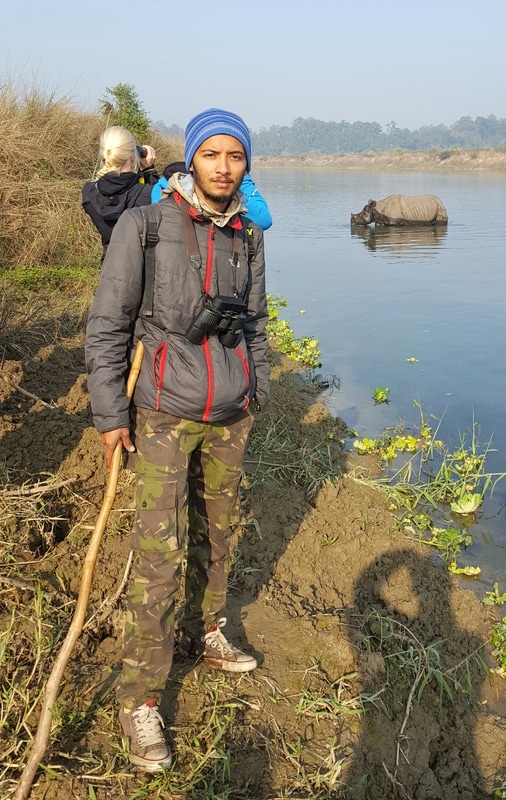
Nature guide: Jit Bahadur Bhandari
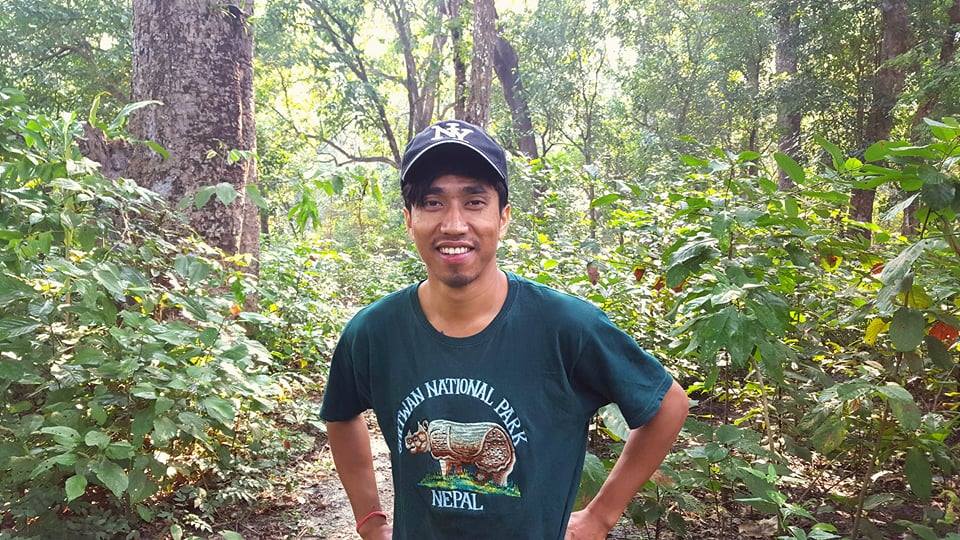
Nature guide: Naresh Mahato
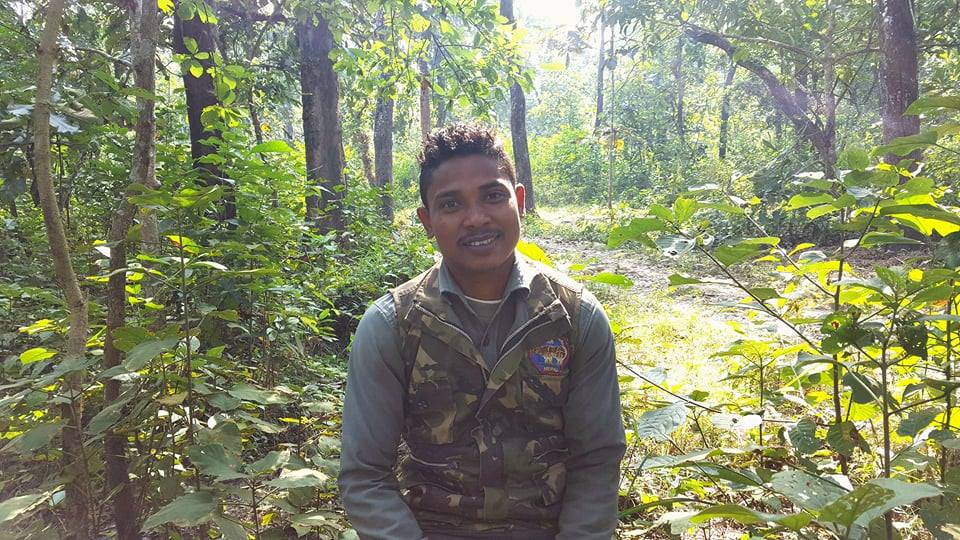
Nature guide: Arbin Mahato
MEET THE OWNERS
The owners of Jungle Explore Tours, have deep root in the jungle of terai region.
They have broad knowledge and appreciation of both the local culture
as well as the biological attributes of the jungle of Chitwan.
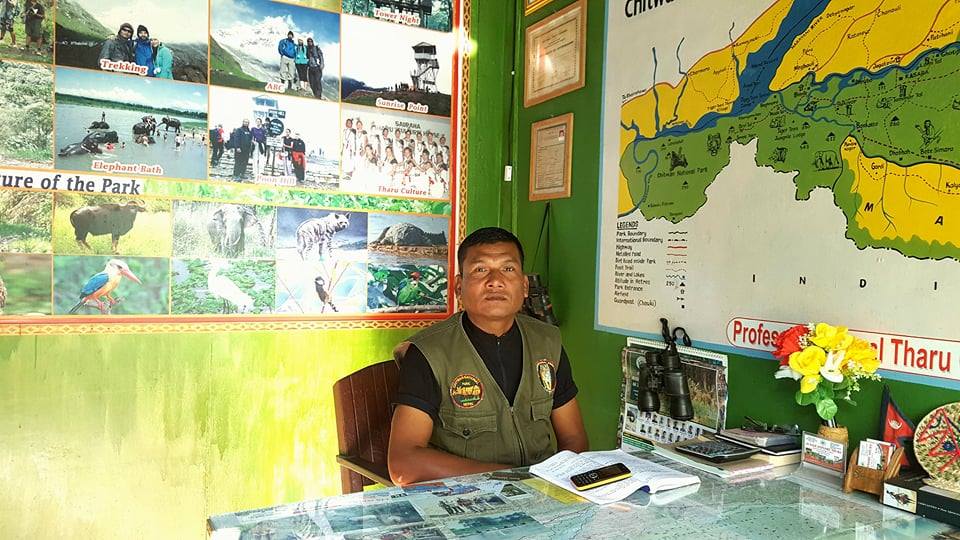
CHANDU THARU
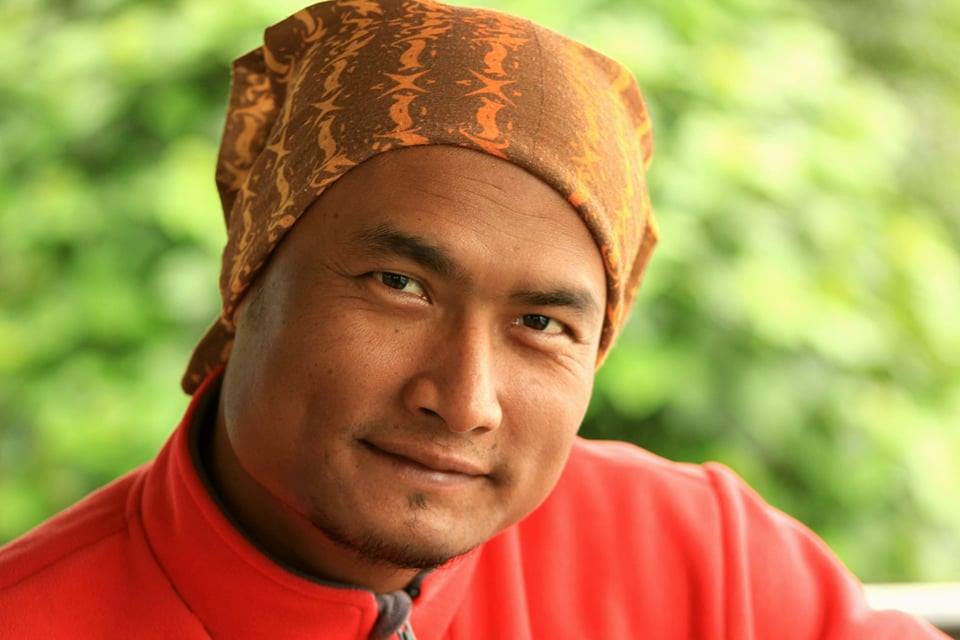
RAVI CHAUDHARY
Chandu and Ravi are the natives of the Chitwan jungle. They are the owners of the company.
Chandu is a guide and he loves adventures. He has been working in this field since 1994
as a senior or head guide. Ravi is also a guide and owner who mainly loves walking tours.
He has deep knowledge about vegetation and wildlife and has been working as a senior guide since 2002.
How long does the Chitwan National Park permit valid for?
It is valid for one day inside the park and one day in the bufferzone forest.
2. How much does the park permit cost?
It cost rs. 1695 for foreigner, rs. 850 for SAARC countries and rs. 115 for Nepalese.
3. When to visit?
The best time to visit in the park is winter and summer (October till May) because you get a chance to observe a lot of different species of winter and summer visitor birds. And during in summer you get a good sighting of wild animals with up close view.
4. What to bring?
During in the winter, weather will be cold in the morning and evening so you need at least warm cloths (jacket, sweater etc) and during in the summer, it will be very hot and wet so you need thin and light cloths. And also you need sunscreen to protect your skin from the sun, mosquito repellent, hat, sun glass, head flash light, comfortable walking shoes, swissknife, water tumbler, camera, etc
5. Where does the tours start from?
All the tours start from next to the visitor center, it is about 5 minutes of walking distance from the office. Office is our meeting place.
6. Have a small group?
It doesn’t really matter with group size, Costs for the Multi-day Safari Tours will be at least affordable (on a per person basis) for single travelers or small groups but are still extremely affordable.
7. Are the Safaris safe?
Security and safety are our highest concern, however there are risks associated with any jungle safari that you should consider before booking. The animals are wild by nature and they are unpredictable. But Our tour guides are experienced, experts who always seek to minimize risks, yet an element of risk, inherent in any activity conducted in close proximity to wildlife, remains.
8. Do I need to book the tour in advance?
Not necessarily to book the tour in advance reservation. A day Walking Tours are conducted daily and Multi-day Safari Tours can be arranged on short notice. However, we especially recommended advance bookings if you have any particular requirements (dietary, etc.) or interests bird-watching so we can arrange the best trip possible for you.
What out Clients say
Working with them was seamless and professional. Everything flowed smoothly, and the results exceeded expectations.

From start to finish, the trip was seamless. The itinerary was thoughtfully planned, letting us experience both iconic landmarks and hidden treasures. Truly recommend!

Sarah M
Amazing service and attention to detail! The team went above and beyond to make our vacation unforgettable. Every moment was perfectly orchestrated and stress-free.
Bogdan S
Exceptional value for money! The accommodations were luxurious, the guides were knowledgeable, and every detail was handled professionally. Will definitely book again!
Maria L
CONTACT US
Jungle Explore Tours